
Joint pain can significantly affect daily life, limiting mobility and diminishing quality of life.
For many patients, finding effective treatments that minimize discomfort without invasive procedures is a top priority.
One increasingly popular option is Platelet-Rich Plasma (PRP) therapy. At Pure Wellness, we are committed to providing our patients with the most innovative and effective treatment options.
Here’s a closer look at what PRP therapy is, are the benefits for joint pain, what it involves, and what patients should know before considering this therapy.
PRP Therapy
PRP therapy is a regenerative medicine treatment that harnesses the healing properties of the patient’s own blood.
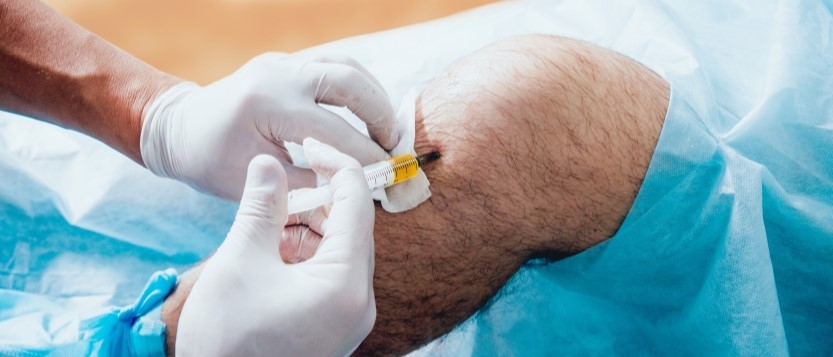
The procedure involves drawing a small amount of blood from the patient, processing it to concentrate the platelets, and then injecting this platelet-rich plasma into the affected joint.
Platelets are a type of blood cell that play a crucial role in healing and contain growth factors that promote tissue repair.
How it Works
- Blood Collection: A healthcare professional collects a small sample of the patient’s blood.
- Centrifugation: The blood is placed in a centrifuge, which spins rapidly to separate its components. This process concentrates the platelets.
- Injection: The PRP solution is injected directly into the affected joint, targeting areas of pain and inflammation.
Benefits of PRP Therapy for Joint Pain
- Natural Healing
One of the most significant advantages of PRP therapy is that it utilizes the body’s natural healing mechanisms. Because the platelets come from the patient’s own blood, there is a minimal risk of allergic reactions or rejection. This makes PRP therapy a safe and effective option for many individuals.
- Reduced Inflammation
PRP therapy has been shown to reduce inflammation in the joints, which is often a major contributor to pain. The growth factors in platelets promote healing by decreasing swelling and discomfort, providing relief for patients suffering from conditions like arthritis and tendonitis.
- Enhanced Tissue Repair
The growth factors present in PRP stimulate the regeneration of tissues and encourage the formation of new blood vessels. This can be particularly beneficial for individuals with chronic joint injuries or degenerative conditions, as it promotes faster and more effective healing.
- Minimally Invasive
PRP therapy is a minimally invasive procedure that can often be performed in an outpatient setting. Unlike surgical options, PRP does not require long recovery times or extensive rehabilitation. Most patients can resume their regular activities soon after the procedure.
- Pain Relief
Many patients experience significant pain relief following PRP therapy. While results can vary, studies have shown that many individuals report improved function and reduced pain levels, often leading to a better overall quality of life.
- Long-lasting Results
While some patients may experience immediate relief, the full benefits of PRP therapy may take several weeks to manifest as the healing process continues. However, many individuals enjoy long-lasting results, often reducing or eliminating the need for more invasive treatments or medications.
- Personalized Treatment
PRP therapy can be tailored to meet the individual needs of each patient. Your healthcare provider will assess your specific condition, discuss your goals, and develop a treatment plan that aligns with your unique circumstances.
Who Can Benefit from PRP Therapy?
PRP therapy can be beneficial for a variety of joint conditions, including:
- Osteoarthritis: A degenerative joint disease characterized by cartilage breakdown and joint pain.
- Rheumatoid Arthritis: An autoimmune condition that causes inflammation and pain in the joints.
- Tendonitis: Inflammation of a tendon, often due to overuse or injury.
- Ligament Injuries: Sprains or tears in ligaments that support the joint.
Ideal Candidates
While PRP therapy is generally safe for most patients, those with certain medical conditions, such as blood disorders or active infections, may not be suitable candidates.
A thorough evaluation by a qualified healthcare professional will help determine if PRP therapy is the right option for you.
What to Expect During the Procedure
During the PRP therapy session, the healthcare provider will explain the procedure and answer any questions.
The process typically takes about one to two hours, including preparation, drawing blood, and the injection itself. After the injection, patients may experience some mild discomfort, but this usually subsides quickly.
Recovery and Aftercare
Post-procedure, it is common to have some soreness at the injection site. Patients are generally advised to rest and avoid strenuous activities for a short period. Your healthcare provider will offer specific aftercare instructions to maximize the benefits of the therapy.
PRP therapy offers a promising alternative for individuals suffering from joint pain. Its natural healing properties, minimal invasiveness, and potential for long-lasting relief make it an attractive option for many patients.
At Pure Wellness, we prioritize patient education and individualized care, helping you make informed decisions about your health.
If you are experiencing joint pain and want to explore the benefits of PRP therapy, contact us today to schedule a consultation.